200 Hour Yoga Teacher Training in Rishikesh
200 Hour Yoga Teacher Training in Rishikesh
The 200-Hour Yoga Teacher Training in Rishikesh is a transformative, life-changing journey designed for dedicated practitioners ready to deepen their practice and step into their power as certified teachers. Located in Rishikesh—the spiritual birthplace of yoga—this Yoga Alliance-certified course offers a fully immersive experience. Discover traditional yogic wisdom, disciplined practice, and mindful living under the trusted guidance of experienced, traditional Indian masters.
Our comprehensive curriculum is designed to give you a deep, authentic understanding of yoga. You will master both traditional Hatha and dynamic Ashtanga Vinyasa asanas, alongside dedicated modules in:
Pranayama & Meditation to quiet the mind and channel energy.
Yoga Philosophy & Anatomy to understand the ancient roots and the physical body.
Alignment & Teaching Methodology to build your practical confidence as a teacher.
Through daily practice, self-study, and personal guidance, you will develop the strength and awareness needed to teach authentically, embracing yoga as a complete path for physical, mental, and spiritual growth.Beyond the mat, this training is an invitation to disconnect from the noise of the modern world and reconnect with your true self. Surrounded by the sacred energy of the Ganges and the serene foothills of the Himalayas, you will share this journey with a supportive global community, creating memories and bonds that last a lifetime.
The curriculum provides a comprehensive understanding of yoga, covering Hatha and Vinyasa asana practice, pranayama, meditation, yoga philosophy, anatomy, alignment, teaching methodology, and lifestyle practices. Through daily practice, self-study, and personal guidance, students develop strength, awareness, and confidence to teach yoga authentically while embracing yoga as a complete path for physical, mental, and spiritual growth.
Course Details
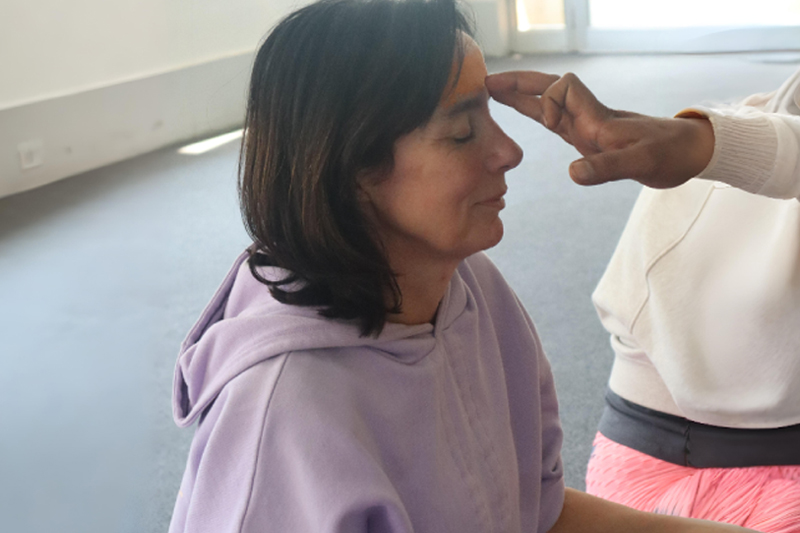
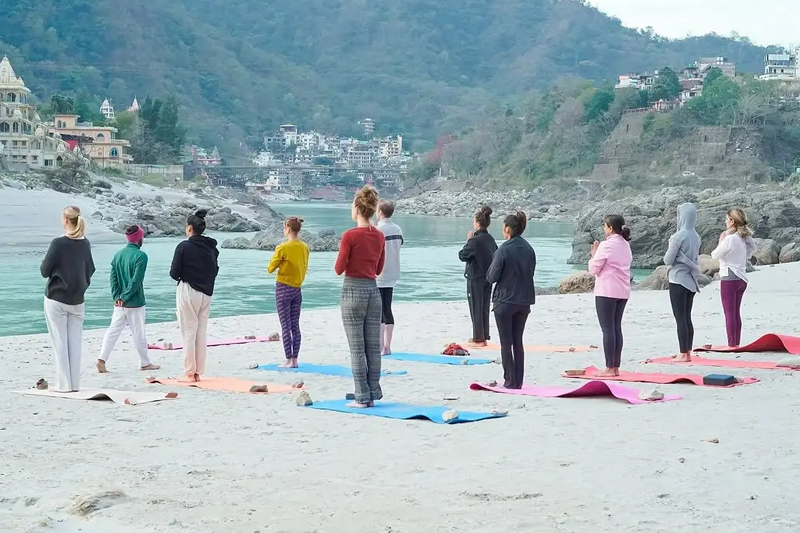
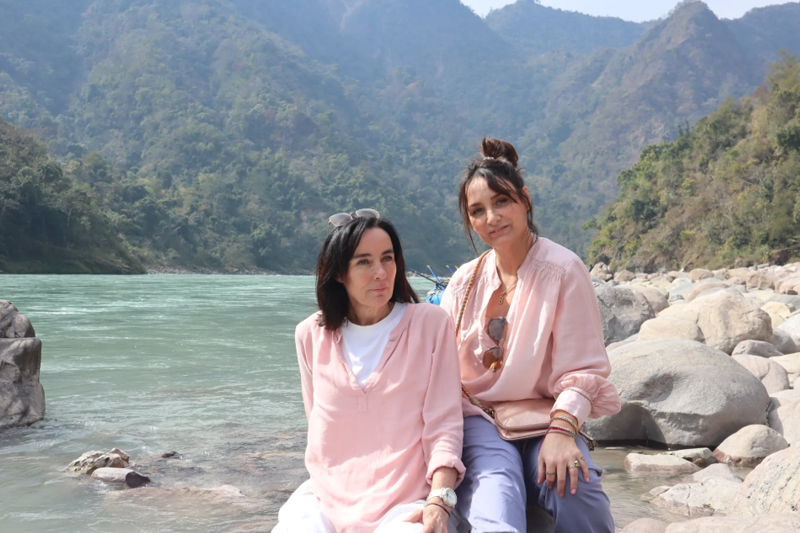
Why Choose 200 Hour Yoga Teacher Training in Rishikesh ?
- Build a complete foundation in both Hatha and Ashtanga Vinyasa styles.
- Gain a globally recognized RYT-200 certification to teach worldwide.
- Live and learn in Rishikesh, the spiritual home of yoga
- Deepen your personal practice, discipline, and inner awareness.
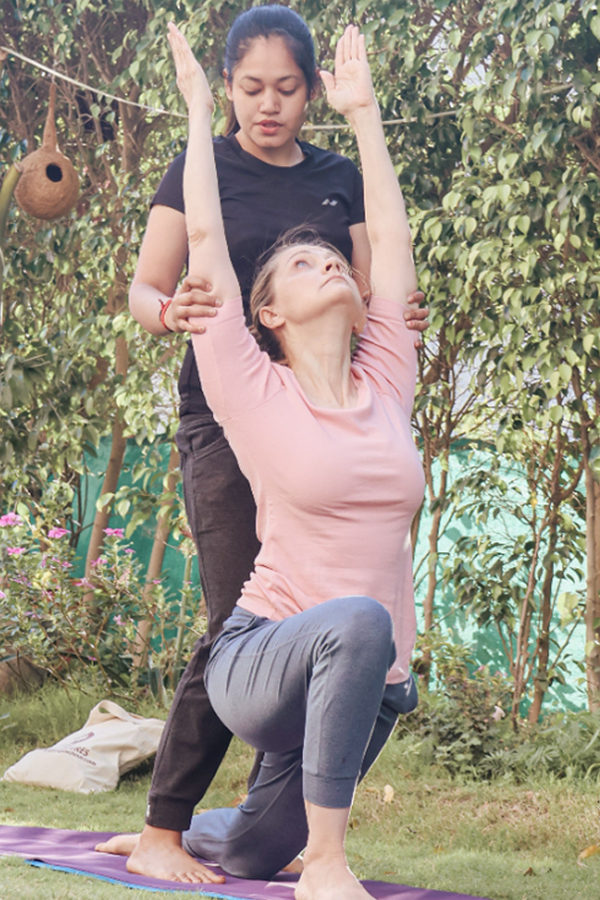
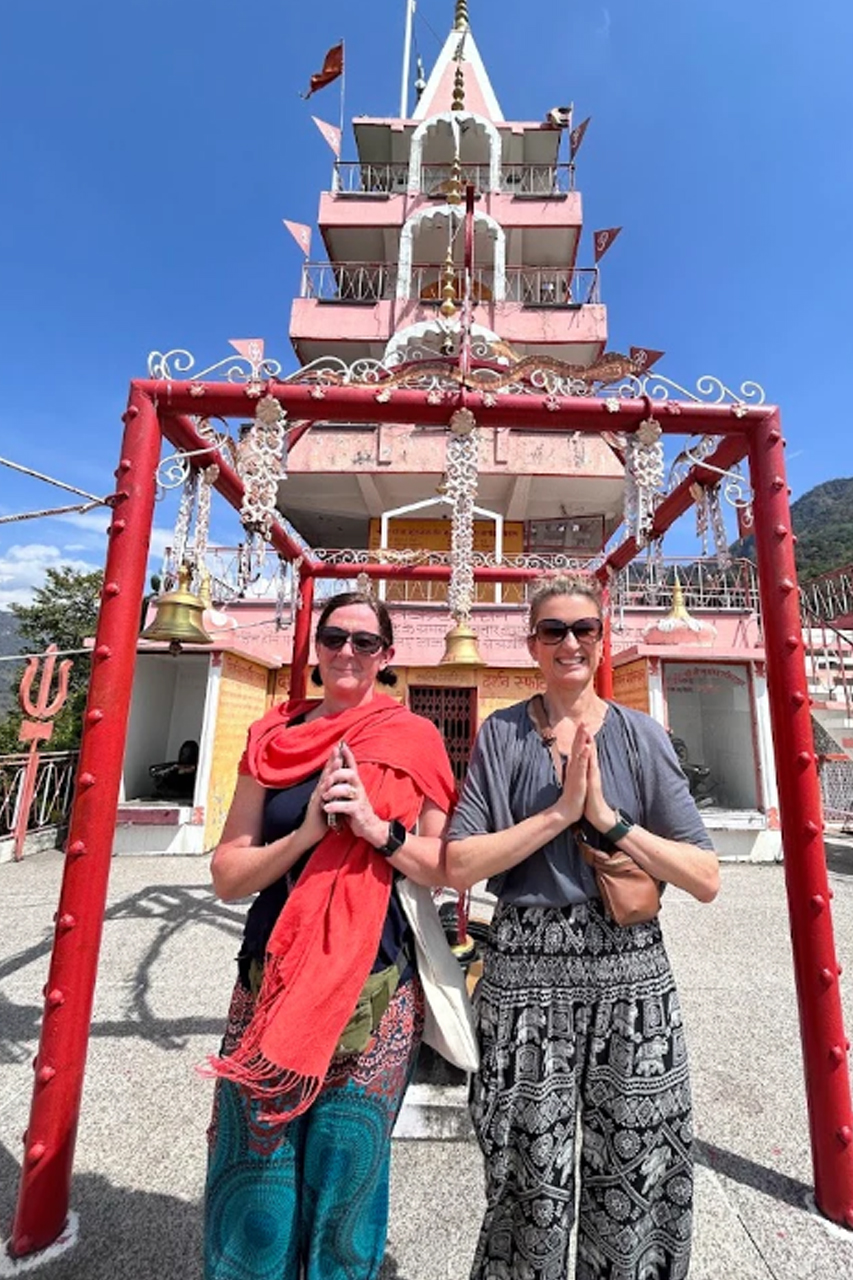
Daily Schedule for 200 Hour Yoga Teacher Training in Rishikesh
| 06:00 – 07:00 | Pranayama / Shatkarma |
|---|---|
| 07:30 - 09:00 | Hatha Yoga |
| 09:00 - 09: 45 | Breakfast |
| 10:00 - 11:00 | Yoga Philosophy |
| 11:00 - 11:50 | Yoga Anatomy |
| 12:00 - 01:00 | Yoga Alignment |
| 01:00 - 02:00 | Lunch |
| 02:00 to 04:00 | Self-Study / Rest |
| 04 :00 to 05:30 | Ashtanga Vinyasa Yoga |
| 06 :00 to 07 :00 | Meditation |
| 07 : 00 to 08 : 00 | Dinner |
Quick Enquiry
Upcoming Course Dates & Prices
| Dates | Availability | Twin Shared | Private Room | Booking |
|---|---|---|---|---|
| Dates | Availability | Twin Shared | Private Room | Booking |
| 1 Aug to 24 Aug | Available | $1100 | $1300 | Apply Now |
| 1 Sep to 24 Sep | Available | $1100 | $1300 | Apply Now |
| 1 Oct to 24 Oct | Available | $1100 | $1300 | Apply Now |
| 1 Nov to 24 Nov | Available | $1100 | $1300 | Apply Now |
| 1 Dec to 24 Dec | Available | $1100 | $1300 | Apply Now |
| 1 Jan to 24 Jan | Available | $1100 | $1300 | Apply Now |
| 1 Feb to 24 Feb | Available | $1100 | $1300 | Apply Now |
| 1 Mar to 24 Mar | Available | $1100 | $1300 | Apply Now |
| 1 April to 24 April | Available | $1100 | $1300 | Apply Now |
| 1 May to 24 May | Available | $1100 | $1300 | Apply Now |
| 1 June to 24 June | Available | $1100 | $1300 | Apply Now |
| 1 July to 24 July | Available | $1100 | $1300 | Apply Now |
What's Included
- 24 days of training, stay & meals
- 3 sattvic vegetarian meals daily + herbal teas
- Yoga Alliance-recognized certificate (as part of 200-hour program)
- Course manual, notebook, pens
- Excursion to sacred sites (Ganga Aarti, temple visit)
- Airport pickup (from Dehradun – if informed in advance)
- Wi-Fi & filtered drinking water
What'sN ot Included
- Flights or travel costs
- Visa and insurance
- Extra nights beyond course Duration
- Laundry service (can be arranged at additional cost)
200 Hour Yoga Teacher Training in Rishikesh Curriculum
Pranayama
Pranayama is the ancient yogic science of breath control and energy management. The word "Pranayama" is derived from two Sanskrit words: Prana (life force energy) and Ayama (expansion or control). In our 200 Hour Yoga Teacher Training in Rishikesh, students learn traditional breathing techniques that help balance the body, calm the mind, and enhance overall well-being.
This module provides both theoretical understanding and practical experience of pranayama. Students learn how breath influences the nervous system, emotions, concentration, and energy levels. Through daily practice, trainees develop greater awareness of their breathing patterns and discover how conscious breathing can support physical health, mental clarity, and spiritual growth.
Special emphasis is placed on correct technique, contraindications, sequencing, and teaching methodology, ensuring that students can safely guide pranayama practices for others.
Pranayama Practices
Foundational Breathing Techniques
- Natural Breath
- Abdominal Breath (Diaphragmatic Breathing )
- Thoracic Breath
- Clavicular Breath
- Yogic Breath
- Breath Awareness Practice
Balancing Pranayama
- Nadi Shodhana (Alternate Nostril Breathing)
- Anulom Vilom
- Chandra Bhedana
- Surya Bhedana
Energizing Pranayama
- Kapalabhati
- Bhastrika
- Active Breath Practices
Calming Pranayama
- Bhramari (Humming Bee Breath)
- Ujjayi Pranayama
- Sheetali
- Sheetkari
Advanced Awareness Practices
- Breath Retention (Introduction)
- Pranic Awareness
- Breath Observation Meditation
Theory of Pranayama
Students will study:
- Meaning and purpose of Pranayama
- The concept of Prana in yogic philosophy
- Five Prana Vayus
- Nadis and the energy body
- Relationship between breath and mind
- Benefits and contraindications of various pranayama techniques
- Safe practice guidelines
Benefits of Pranayama
Regular pranayama practice may help:
- Improve lung capacity and respiratory efficiency
- Reduce stress and anxiety
- Increase energy and vitality
- Enhance concentration and mental clarity
- Support emotional balance
- Improve sleep quality
- Prepare the mind for meditation
Teaching Methodology
Students will learn how to:
- Demonstrate pranayama techniques correctly
- Guide students safely through breathing practices
- Identify common mistakes and corrections
- Sequence pranayama within a yoga class
- Adapt breathing practices for different student needs
Learning Outcomes
By completing this module, students will:
- Understand the fundamentals of yogic breathing.
- Practice traditional pranayama techniques with confidence.
- Learn the energetic and physiological effects of breathwork.
- Develop the skills to teach pranayama safely and effectively.
- Experience deeper levels of focus, awareness, and inner calm.
Hatha Yoga forms the foundation of our 200 Hour Yoga Teacher Training in Rishikesh. In this traditional practice, students learn how to develop strength, flexibility, balance, and awareness through the systematic practice of yoga postures and breath control. The training emphasizes proper alignment, body mechanics, modifications, and safe teaching methods.
Students will gain a deeper understanding of each posture, including its physical benefits, energetic effects, contraindications, and teaching cues. Special attention is given to posture correction, hands-on adjustments, and the development of a mindful practice that supports both physical and mental well-being.
By the end of the course, trainees will have the confidence to practice and teach Hatha Yoga safely while maintaining the authentic principles of traditional yoga.
Hatha Yoga Asana Practice
Standing Postures
- Tadasana (Mountain Pose)
- Trikonasana (Triangle Pose)
- Parivrtta Trikonasana (Revolved Triangle Pose)
- Virabhadrasana I (Warrior I)
- Virabhadrasana II (Warrior II)
- Parsvakonasana (Side Angle Pose)
- Prasarita Padottanasana (Wide-Leg Forward Fold)
- Utkatasana (Chair Pose)
Balancing Postures
- Vrikshasana (Tree Pose)
- Garudasana (Eagle Pose)
- Natarajasana (Dancer Pose)
- Ardha Chandrasana (Half Moon Pose)
Seated Postures
- Dandasana (Staff Pose)
- Baddha Konasana (Butterfly Pose)
- Janu Sirsasana (Head-to-Knee Pose)
- Paschimottanasana (Seated Forward Bend)
- Gomukhasana (Cow Face Pose)
Twisting Postures
- Ardha Matsyendrasana
- Bharadvajasana
- Marichyasana Variations
Backward Bending Postures
- Bhujangasana (Cobra Pose)
- Salabhasana (Locust Pose)
- Dhanurasana (Bow Pose)
- Ustrasana (Camel Pose)
- Setu Bandhasana (Bridge Pose)
- Chakrasana (Wheel Pose)
Inverted Postures
- Sarvangasana (Shoulder Stand)
- Halasana (Plow Pose)
- Sirsasana (Headstand)
- Pincha Mayurasana
- Adho Mukha Vrksasana (Handstand)
Hip Opening Postures
- Pigeon Pose
- Malasana
- Upavistha Konasana
- Hanumanasana Preparation
Relaxation Postures
- Makarasana
- Balasana (Child's Pose)
- Savasana (Corpse Pose)
Learning Outcomes
By completing the Hatha Yoga module, students will:
- Understand proper alignment and posture techniques.
- Learn modifications for different body types.
- Improve strength, flexibility, and balance.
- Develop confidence in teaching yoga classes.
- Learn hands-on adjustment techniques.
- Understand the benefits and contraindications of major yoga postures.
- Build a strong personal yoga practice.
Ashtanga Vinyasa Yoga is a dynamic and structured style of yoga that combines breath, movement, and concentration into a powerful practice. In our 200 Hour Yoga Teacher Training in Rishikesh, students are introduced to the traditional principles of Ashtanga Yoga, with a focus on the Primary Series and the connection between breath and movement.
The practice follows a specific sequence of postures linked together through vinyasa, helping students develop strength, flexibility, stamina, balance, and mental focus. Through regular practice, trainees learn how to synchronize movement with the breath, creating a moving meditation that cultivates discipline and inner awareness.
During the training, students gain a clear understanding of the Ashtanga system, including drishti (gaze points), bandhas (energy locks), ujjayi breathing, and the traditional method of practice. Special attention is given to proper alignment, posture modifications, injury prevention, and teaching techniques suitable for different levels of practitioners.
By the end of the course, students will have a strong foundation in Ashtanga Vinyasa Yoga and the confidence to incorporate its principles into their personal practice and future teaching.
Ashtanga Yoga Asana Practice
Opening Sequence
- Surya Namaskar A
- Surya Namaskar B
Standing Postures
- Padangusthasana
- Padahastasana
- Utthita Trikonasana
- Parivrtta Trikonasana
- Utthita Parsvakonasana
- Parivrtta Parsvakonasana
- Prasarita Padottanasana A, B, C, D
- Parsvottanasana
Seated Postures
- Dandasana
- Paschimottanasana A, B, C
- Purvottanasana
- Ardha Baddha Padma Paschimottanasana
- Triang Mukha Eka Pada Paschimottanasana
- Janu Sirsasana A, B, C
- Marichyasana A, B, C, D
- Navasana
- Bhujapidasana
- Kurmasana
- Supta Kurmasana
Backbending Postures
- Bhujangasana
- Salabhasana
- Dhanurasana
- Ustrasana
- Setu Bandhasana
- Urdhva Dhanurasana
Finishing Sequence
- Sarvangasana
- Halasana
- Karnapidasana
- Matsyasana
- Sirsasana
- Yoga Mudra
- Padmasana
- Savasana
Key Elements of Ashtanga Yoga
Ujjayi Breathing
Learn the traditional yogic breathing technique used throughout the Ashtanga practice to improve concentration, endurance, and energy flow.
Bandhas
Understand and apply Mula Bandha and Uddiyana Bandha to develop stability, control, and energetic awareness during practice.
Drishti
Explore the use of focused gaze points to enhance concentration, balance, and meditative awareness.
Vinyasa
Master the connection between breath and movement, creating a smooth and mindful flow between postures.
Learning Outcomes
By completing the Ashtanga Yoga module, students will:
- Understand the structure of the Ashtanga Primary Series.
- Develop strength, flexibility, stamina, and concentration.
- Learn proper breathing techniques and energy locks.
- Improve posture alignment and body awareness.
- Gain confidence in practicing and teaching Ashtanga Yoga.
- Understand safe modifications for different students.
- Experience the meditative aspect of dynamic yoga practice.
This module helps students build physical discipline, mental focus, and a deeper connection between body, breath, and mind while preserving the traditional teachings of Ashtanga Vinyasa Yoga.
Yoga is much more than physical postures; it is a complete system for personal growth, self-discovery, and spiritual evolution. In our 200 Hour Yoga Teacher Training in Rishikesh, students study the philosophical foundations of yoga to understand its deeper purpose and practical application in modern life.
This module introduces the ancient wisdom of yogic texts and traditions that have guided practitioners for thousands of years. Students learn how yoga can transform not only the body but also the mind, emotions, and consciousness.
Through discussions, self-reflection, and traditional teachings, trainees gain a deeper understanding of yogic living and develop the knowledge needed to share these teachings with future students.
Topics Covered
Introduction to Yoga Philosophy
- Meaning and definition of Yoga
- History and evolution of Yoga
- Traditional paths of Yoga
- The purpose of yogic practice
Patanjali's Yoga Sutras
- Introduction to the Yoga Sutras
- The Eight Limbs of Yoga (Ashtanga Yoga)
- Yama and Niyama
- Asana, Pranayama, and Meditation
- Dharana, Dhyana, and Samadhi
- Obstacles on the yogic path
- Cultivating a yogic lifestyle
Bhagavad Gita
- Introduction to the Bhagavad Gita
- Karma Yoga (Path of Action)
- Bhakti Yoga (Path of Devotion)
- Jnana Yoga (Path of Knowledge)
- Applying the teachings in daily life
The Four Paths of Yoga
- Karma Yoga
- Bhakti Yoga
- Raja Yoga
- Jnana Yoga
Yogic Lifestyle
- Principles of conscious living
- Self-discipline and self-study
- Developing positive habits
- Balancing spiritual practice and modern life
Ethics for Yoga Teachers
- Teacher-student relationship
- Professional ethics
- Authenticity and integrity in teaching
- Creating a safe learning environment
Introduction to Yogic Scriptures
- Overview of the Vedas
- Upanishads
- Hatha Yoga Pradipika
- Bhagavad Gita
- Yoga Sutras of Patanjali
Panchakosha (Five Layers of Being)
- Annamaya Kosha
- Pranamaya Kosha
- Manomaya Kosha
- Vijnanamaya Kosha
- Anandamaya Kosha
Chakras and Energy System
- Introduction to the chakra system
- Seven major chakras
- Nadis and pranic energy
- Balancing the energy body
Learning Outcomes
By completing this module, students will:
- Understand the philosophical foundations of yoga.
- Gain knowledge of the Yoga Sutras and Bhagavad Gita.
- Learn the Eight Limbs of Yoga and their practical application.
- Develop a deeper understanding of yogic living.
- Build confidence in sharing philosophical teachings with students.
- Integrate yogic wisdom into personal and professional life.
- Cultivate greater self-awareness, discipline, and spiritual growth.
What Makes This Module Unique?
At Gyan Yog Peeth, Yoga Philosophy is not taught as theory alone. Students are encouraged to apply these teachings through daily practice, self-reflection, meditation, mantra chanting, seva (selfless service), and yogic living. This practical approach helps transform philosophical knowledge into direct personal experience.
Anatomy & Physiology
A clear understanding of Anatomy and Physiology is essential for every yoga teacher. This module helps students understand how the human body functions and how yoga practices affect different body systems. In our 200 Hour Yoga Teacher Training in Rishikesh, anatomy is taught in a practical and yoga-oriented manner, making complex concepts easy to understand and apply.
Students learn how muscles, bones, joints, the respiratory system, and the nervous system work together during yoga practice. Special emphasis is placed on safe movement, injury prevention, posture alignment, and understanding individual body differences.
By combining modern anatomical knowledge with traditional yogic understanding, students develop the ability to teach yoga safely and effectively to practitioners of different ages and abilities.
Topics Covered
Introduction to Human Anatomy
- Basic anatomical terminology
- Anatomical planes and movements
- Understanding body structure and function
Skeletal System
- Major bones of the body
- Structure and function of joints
- Joint mobility and stability
- Common joint limitations in yoga practice
Muscular System
- Major muscle groups used in yoga
- Muscle contraction and relaxation
- Stretching and strengthening principles
- Understanding flexibility and mobility
Respiratory System
- Anatomy of the lungs and diaphragm
- Mechanics of breathing
- Relationship between breath and movement
- Effects of pranayama on the respiratory system
Nervous System
- Central and peripheral nervous systems
- Sympathetic and parasympathetic nervous systems
- Yoga and stress management
- The relaxation response
Spine and Posture
- Natural curves of the spine
- Healthy posture and alignment
- Spinal movements in yoga
- Preventing back injuries
Functional Anatomy in Yoga
- Anatomy of standing postures
- Anatomy of forward bends
- Anatomy of backbends
- Anatomy of twists
- Anatomy of inversions
- Anatomy of balancing postures
Injury Prevention and Safety
- Common yoga-related injuries
- Contraindications and precautions
- Safe adjustments and modifications
- Adapting yoga for different bodies
Yogic Anatomy
- Introduction to Prana
- Nadis (Energy Channels)
- Chakras (Energy Centers)
- Panchakosha (Five Sheaths)
Learning Outcomes
By completing this module, students will:
- Understand the basic structure and function of the human body.
- Apply anatomical principles to yoga practice and teaching.
- Improve posture alignment and movement awareness.
- Recognize common movement patterns and limitations.
- Understand injury prevention and safe practice guidelines.
- Modify yoga postures for different body types and abilities.
- Integrate modern anatomy with traditional yogic concepts.
What Makes This Module Unique?
At Gyan Yog Peeth, anatomy is taught from both a scientific and yogic perspective. Rather than memorizing complex medical terminology, students learn anatomy through direct observation, movement analysis, and practical application in yoga postures. This approach helps trainees understand how the body moves in real yoga classes and how to teach safely with confidence.
In addition to modern anatomy, students are introduced to traditional yogic concepts such as Prana, Nadis, Chakras, and Panchakosha, creating a bridge between contemporary science and ancient yogic wisdom. This balanced approach enables future teachers to develop a deeper understanding of the body, energy, and overall well-being.
Meditation is one of the most important practices in the yogic tradition, helping practitioners cultivate inner peace, self-awareness, concentration, and spiritual growth. In our 200 Hour Yoga Teacher Training in Rishikesh, students are introduced to both traditional and practical meditation techniques that can be integrated into daily life and yoga teaching.
This module is designed to help students understand the purpose of meditation beyond relaxation. Through consistent practice, trainees learn how to observe the mind, develop mindfulness, manage emotions, and experience deeper states of awareness. The training combines ancient yogic wisdom with practical methods that support mental clarity, emotional balance, and spiritual development.
Students will practice meditation daily and gradually build the discipline and confidence needed to guide others through mediation sessions.
Meditation Practices
Breathe Meditation
Develop awareness of the natural breath as a tool for concentration, mindfulness, and inner stillness. This foundational practice helps calm the mind and prepare for deeper meditation.
Breath Counting Meditation
Learn to count each inhalation and exhalation to improve concentration and reduce mental distractions. This technique is especially beneficial for beginners developing focus and awareness.
Walking Meditation
Practice mindfulness through conscious walking, synchronizing movement, breath, and awareness. This technique helps bring meditation into daily life and develops present-moment awareness.
Chakra Meditation
Explore guided meditation practices focused on the seven major chakras. Students learn visualization, awareness, and concentration techniques to cultivate energetic balance and self-awareness.
Japa Meditation
Experience the traditional practice of mantra repetition using a mala (prayer beads). Japa Meditation helps develop concentration, devotion, mental clarity, and inner peace.
Ajapa Japa Meditation
Learn the advanced yogic practice of spontaneous mantra awareness synchronized with the breath. This powerful meditation technique helps cultivate continuous mindfulness and inner silence.
Trataka Meditation
Practice steady gazing on a candle flame or fixed point to improve concentration, mental clarity, memory, and inner focus.
Om Chanting Meditation
Experience the vibrational effects of chanting Om, the primordial sound of the universe. This practice promotes relaxation, concentration, and energetic harmony.
AUM Chanting Meditation
Develop a deeper understanding of the three components of A-U-M and their symbolic significance in yogic philosophy. Students learn how sound vibration influences consciousness and meditation.
Yoga Nidra
Practice the ancient technique of yogic sleep, a guided meditation method that induces deep relaxation while maintaining awareness. Yoga Nidra helps reduce stress, improve sleep quality, and support emotional healing.
Mindfulness Meditation
Cultivate non-judgmental awareness of thoughts, emotions, sensations, and experiences in the present moment.
Silent Meditation
Develop the ability to sit quietly with awareness, observing the natural flow of thoughts without attachment or reaction.
Theory of Meditation
Students will study:
- Meaning and purpose of meditation
- Meditation in the yogic tradition
- The relationship between yoga and meditation
- Stages of concentration and meditation
- Obstacles to meditation practice
- Developing a consistent meditation routine
- The role of meditation in personal transformation
Benefits of Meditation
Regular meditation practice may help:
- Reduce stress and mental tension
- Improve focus and concentration
- Enhance emotional balance
- Increase self-awareness
- Promote mental clarity and inner peace
- Improve sleep quality
- Support spiritual growth and personal development
Meditation and Yogic Philosophy
Students will explore meditation through the teachings of classical yoga, including concepts from the Yoga Sutras of Patanjali. Special emphasis is placed on Dharana (concentration), Dhyana (meditation), and the journey toward deeper states of awareness.
Teaching Methodology
Students will learn how to:
- Create a supportive meditation environment
- Guide beginners through meditation practices
- Use breath, mantra, and mindfulness techniques effectively
- Address common challenges faced by meditation students
- Structure and lead meditation sessions with confidence
Learning Outcomes
By completing this module, students will:
- Establish a consistent personal meditation practice.
- Understand traditional and modern meditation techniques.
- Develop greater self-awareness and mental clarity.
- Learn how to guide meditation sessions safely and effectively.
- Experience deeper levels of concentration, mindfulness, and inner peace.
Through daily practice and guidance from experienced teachers, students will discover meditation as a powerful tool for personal transformation, emotional well-being, and spiritual awakening. This foundation supports both their own journey and their future role as yoga teachers.
Learning Outcomes
By completing this module, students will:
- Establish a consistent personal meditation practice.
- Practice and guide multiple meditation techniques confidently.
- Develop concentration, mindfulness, and self-awareness.
- Understand the relationship between breath, mantra, and meditation.
- Learn traditional yogic meditation methods and their applications.
- Experience deeper levels of inner peace and mental clarity.
- Guide beginners safely through meditation sessions.
- Integrate meditation practices into yoga classes and daily life.
Top of Form
Bottom of Form
Teaching yoga requires much more than knowing postures. A skilled yoga teacher must be able to communicate clearly, observe students, provide appropriate guidance, and create a safe and supportive learning environment. In our 200 Hour Yoga Teacher Training in Rishikesh, students develop the practical teaching skills and confidence needed to lead yoga classes effectively.
This module focuses on transforming students from practitioners into competent and compassionate yoga teachers. Through practice teaching, observation, feedback sessions, and class planning exercises, trainees learn how to structure and deliver professional yoga classes while maintaining the authenticity of traditional yogic teachings.
Students gradually build confidence by teaching their peers, receiving constructive feedback, and refining their teaching style under the guidance of experienced teachers.
Topics Covered
Principles of Effective Teaching
- Role and responsibilities of a yoga teacher
- Professional ethics and conduct
- Building confidence as a teacher
- Creating a positive learning environment
Class Planning and Sequencing
- Designing balanced yoga classes
- Structuring beginner-friendly classes
- Warm-up and cool-down techniques
- Sequencing postures safely and effectively
- Theme-based class planning
Communication Skills
- Clear verbal instruction
- Effective demonstration techniques
- Voice projection and presence
- Developing confident teaching language
Observation and Assessment
- Observing student movement patterns
- Identifying alignment issues
- Understanding individual needs and limitations
- Providing constructive feedback
Alignment and Adjustment
- Principles of safe alignment
- Hands-on adjustment techniques
- Verbal and visual corrections
- Injury prevention strategies
Teaching Hatha Yoga
- Leading traditional Hatha Yoga classes
- Teaching foundational postures
- Breath awareness during practice
- Class management skills
Teaching Pranayama
- Guiding breathing techniques safely
- Contraindications and precautions
- Sequencing pranayama practices
- Creating breath awareness
Teaching Meditation
- Guiding meditation sessions
- Using breath, mantra, and mindfulness techniques
- Managing common challenges faced by students
- Creating a calm and focused atmosphere
Professional Development
- Building a personal teaching style
- Teacher-student communication
- Maintaining authenticity and integrity
- Continuing education and self-practice
Teaching Practicum
Students will participate in:
- Peer teaching sessions
- Group teaching exercises
- Guided teaching practice
- Observation of experienced teachers
- Class planning assignments
- Teaching assessments
- Constructive feedback sessions
Throughout the course, trainees are encouraged to teach regularly, helping them develop confidence, clarity, and practical teaching experience before graduation.
Learning Outcomes
By completing this module, students will:
- Develop confidence in teaching yoga classes.
- Learn how to structure and sequence safe yoga sessions.
- Improve communication and presentation skills.
- Understand alignment principles and student safety.
- Guide pranayama and meditation practices effectively.
- Adapt classes for different student needs and abilities.
- Create professional and engaging yoga experiences.
- Gain practical teaching experience through supervised practice.
What Makes This Module Unique?
At Gyan Yog Peeth, teaching methodology is highly experiential. Students are not limited to theoretical discussions; they actively participate in teaching from the early stages of the training. Through daily practice teaching, observation, feedback, and mentorship, trainees gradually develop the confidence and skills needed to become effective yoga teachers.
Our approach emphasizes authenticity, compassion, and practical experience. Students learn how to teach not only yoga postures but also breathwork, meditation, yogic lifestyle, and philosophical concepts. By the end of the training, graduates leave with real classroom experience, a deeper understanding of teaching dynamics, and the confidence to share yoga professionally anywhere in the world.
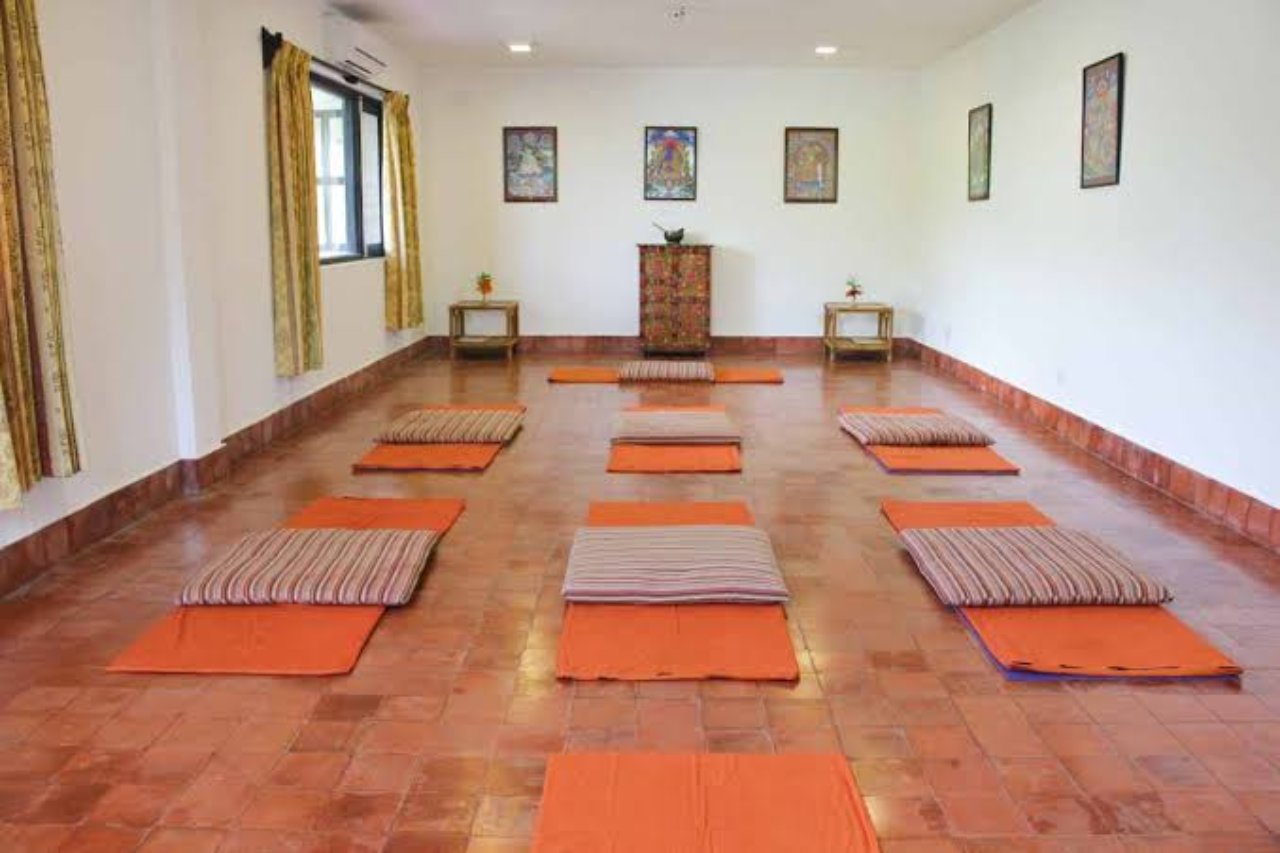



Accommodation – Your Peaceful Home in Rishikesh
Our accommodation in Rishikesh offers a peaceful and comfortable home where you can relax, recharge, and fully immerse yourself in the yogic lifestyle. Surrounded by natural beauty and a serene atmosphere, the rooms are designed to support rest, mindfulness, and inner balance throughout your stay.
We offer simple, clean and comfortable private or shared rooms, each equipped with:
A comfortable bed with fresh linens
Attached private bathroom with 24/7 hot water
Ceiling fan, window ventilation and peaceful views
Free Wi-Fi access for staying connected
Daily housekeeping and laundry services (on request)
Clean, safe, and thoughtfully maintained, the accommodation provides a calm environment ideal for yoga practice, meditation, and self-reflection. Whether resting after classes or enjoying quiet moments, you will feel supported, comfortable, and at ease during your journey at Gyan Yog Peeth.




Food – Nourishment for Body & Soul
Our food is prepared with care to nourish both the body and soul, supporting your yoga practice and overall well-being. We serve fresh, wholesome, and sattvic vegetarian meals made from natural ingredients to promote balance, digestion, and inner clarity.
You’ll enjoy three wholesome meals daily, designed to:
Support your physical practice
Keep the mind calm and balanced
Provide strength without heaviness
Aid in detox and digestion
Each meal is thoughtfully designed to provide the right nutrition while aligning with yogic principles. Simple, clean, and nourishing, our food helps you maintain energy, mindfulness, and harmony throughout your stay in Rishikesh.
What Student Says About Gyan Yog Peeth
"The 200 Hour Yoga Teacher Training at Gyan Yog Peeth exceeded my expectations. The teachers were knowledgeable, supportive, and deeply rooted in traditional yoga. The curriculum covered everything from asana practice and philosophy to meditation and teaching methodology. I left the course feeling confident and inspired to begin my teaching journey."

"Training in Rishikesh was a life-changing experience. The structured classes, authentic teachings, and peaceful environment helped me deepen my understanding of yoga beyond the physical practice. I highly recommend this course to anyone seeking a genuine yoga education."
"I joined this course to improve my personal practice but gained so much more. The meditation sessions, pranayama techniques, and philosophy classes provided valuable insights that I continue to apply in my daily life. The teachers created a welcoming and encouraging learning environment."
"The balance between traditional yoga teachings and practical teaching skills was excellent. The instructors paid attention to each student's progress and helped build confidence in leading yoga classes. I am grateful for this transformative experience in Rishikesh."

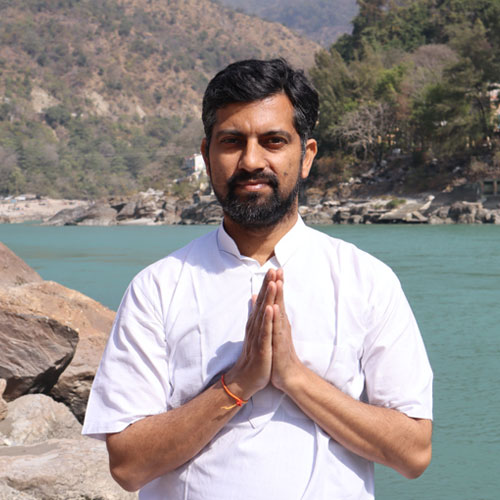
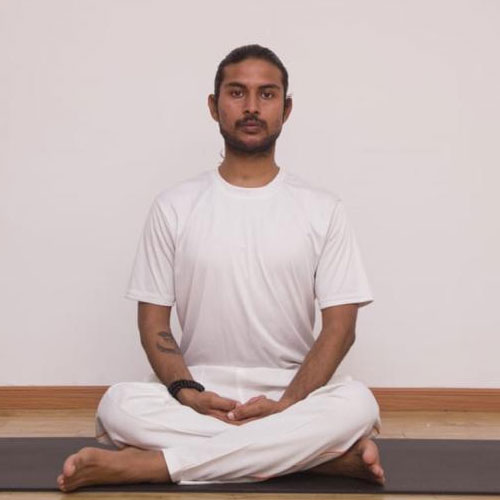
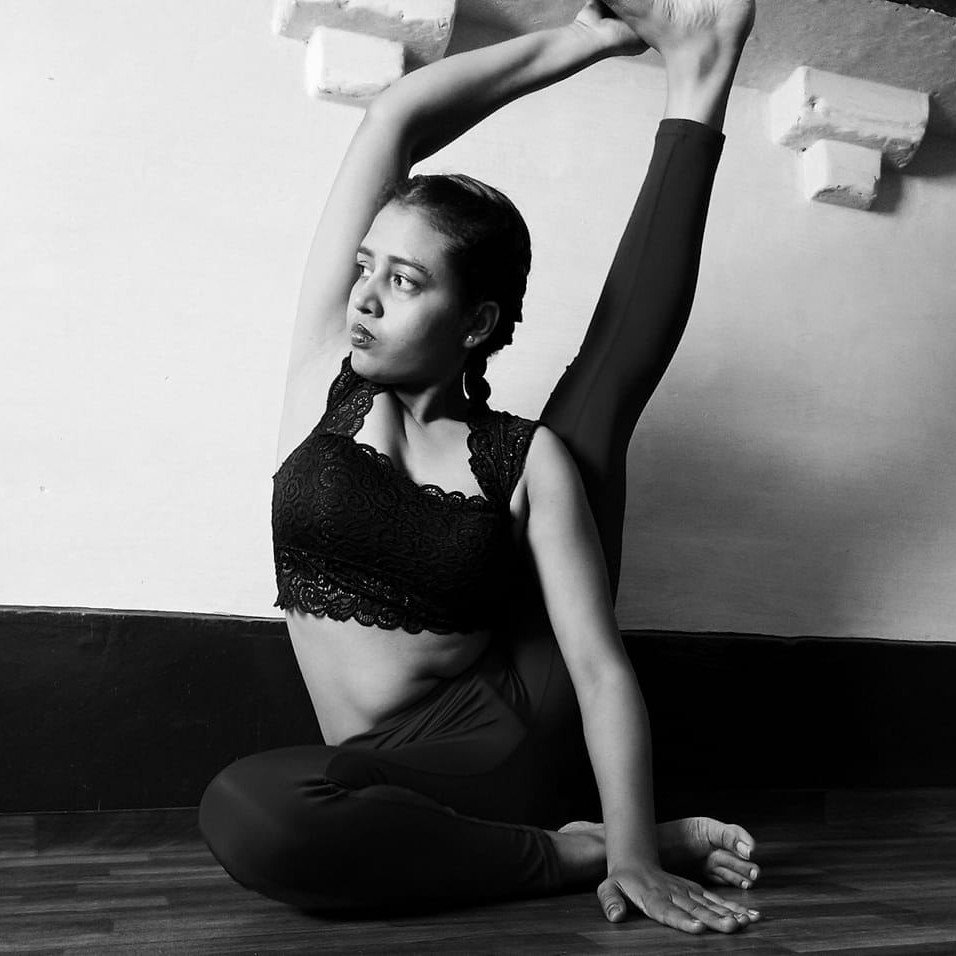
Best Yoga Teachers In Rishikesh, India
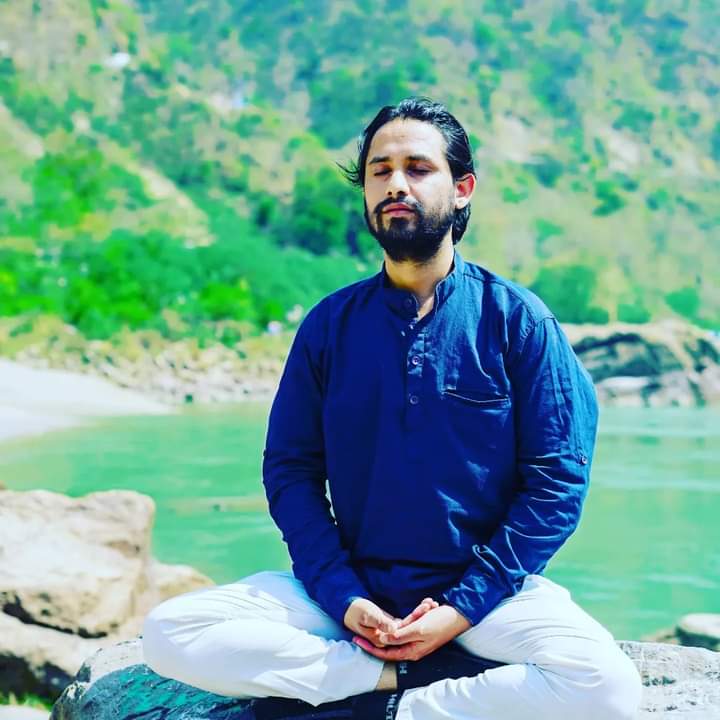
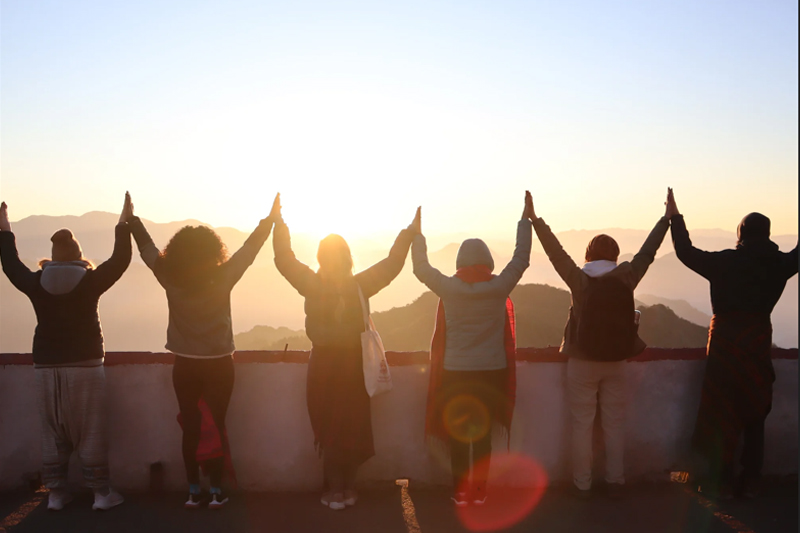
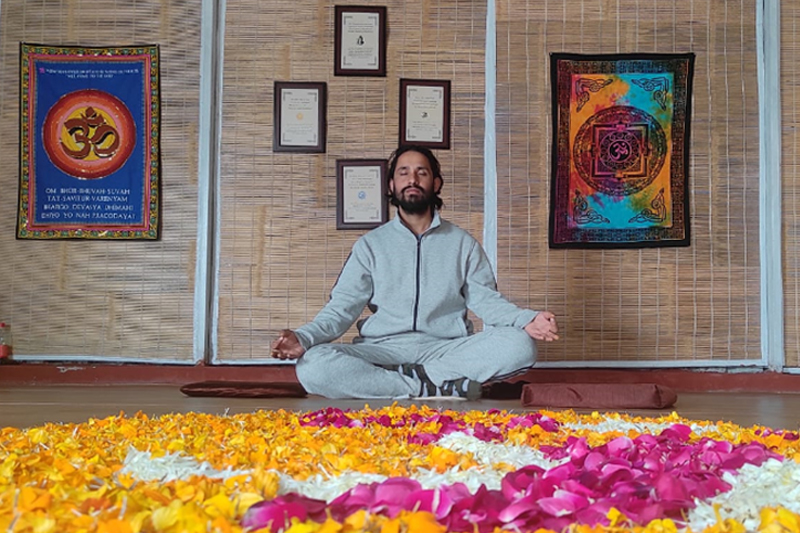
Moments Of Grace
Frequently Asked Questions
Yes, Gyan Yog Peeth is affiliated with Yoga Alliance. After completing the course, students can register and teach yoga internationally.
A 200 hour yoga teacher training in Rishikesh is a beginner-level certification course that covers yoga asanas, pranayama, meditation, and philosophy. It is the first step to becoming a certified yoga teacher.
Yes, beginners can join our 200 hour yoga teacher training. At Gyan Yog Peeth, we start from the basics and guide students step by step with experienced teachers.
The course fee includes yoga training, accommodation, and sattvic meals. We provide a peaceful and supportive environment for learning and practice.
You will learn Hatha Yoga, ashtanga yoga , Pranayama, anatomy, yoga alignment, Meditation, and Yoga Philosophy. The course also includes teachings from traditional texts like the Bhagavad Gita and Yoga Sutras.
The daily schedule includes morning pranayma, asana practice, philosophy, anatomy of yoga classes and evening ashtanga yoga, meditation for complete development.
The course duration is typically 24 days, following the guidelines of Yoga Alliance.
Yes, we provide comfortable accommodation with private and shared room options in a peaceful environment suitable for yoga and meditation.
Yes, international students are welcome. The course is taught in English, and we assist with travel guidance for reaching Rishikesh.
Gyan Yog Peeth focuses on traditional and spiritual yoga, including meditation, pranayama, and philosophy. We also maintain small batch sizes for personalized attention.
The nearest airport is Delhi International Airport and Jolly Grant Airport (DED). From there, you can travel by taxi, bus, or train to Rishikesh.
Yes, after completing the course, students receive certification from Gyan Yog Peeth and can register with Yoga Alliance.
Bring comfortable yoga clothes, personal essentials and a positive mindset to learn and grow during the training.
Gyan Yog Peeth offers authentic yoga training with experienced teachers, a peaceful environment, and a strong focus on traditional practices, making it a great choice in Rishikesh.